
Category: Fine Tuning
-

✍️ 𝐁𝐲 𝐀𝐛𝐡𝐢𝐬𝐡𝐞𝐤 𝐊𝐮𝐦𝐚𝐫 | #𝐅𝐢𝐫𝐬𝐭𝐂𝐫𝐚𝐳𝐲𝐃𝐞𝐯𝐞𝐥𝐨𝐩𝐞𝐫 ⭐ Why Every Enterprise Needs RAG Today Modern enterprises generate massive unstructured data: Most of this data remains locked, making organizations slow, dependent on SMEs, error-prone, and high-cost. A Retrieval-Augmented Generation (RAG) system solves this by: Azure provides the most robust platform to build secure, compliant, scalable enterprise RAG.…
-
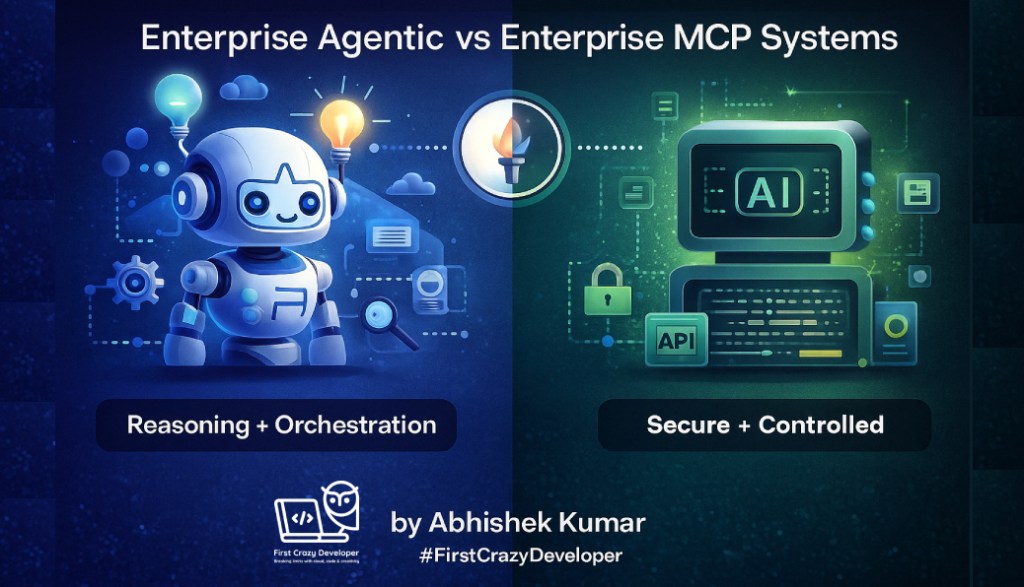
✍️ 𝐁𝐲 𝐀𝐛𝐡𝐢𝐬𝐡𝐞𝐤 𝐊𝐮𝐦𝐚𝐫 | #𝐅𝐢𝐫𝐬𝐭𝐂𝐫𝐚𝐳𝐲𝐃𝐞𝐯𝐞𝐥𝐨𝐩𝐞𝐫 Clear Differences, Use Cases, and When to Choose What 🧠 1. What is an Enterprise Agentic System? An Agentic System is an AI setup where the LLM behaves like an intelligent worker (an “agent”) that can: It focuses on autonomy and orchestration of tasks using LLM intelligence. Enterprise Agentic…
-
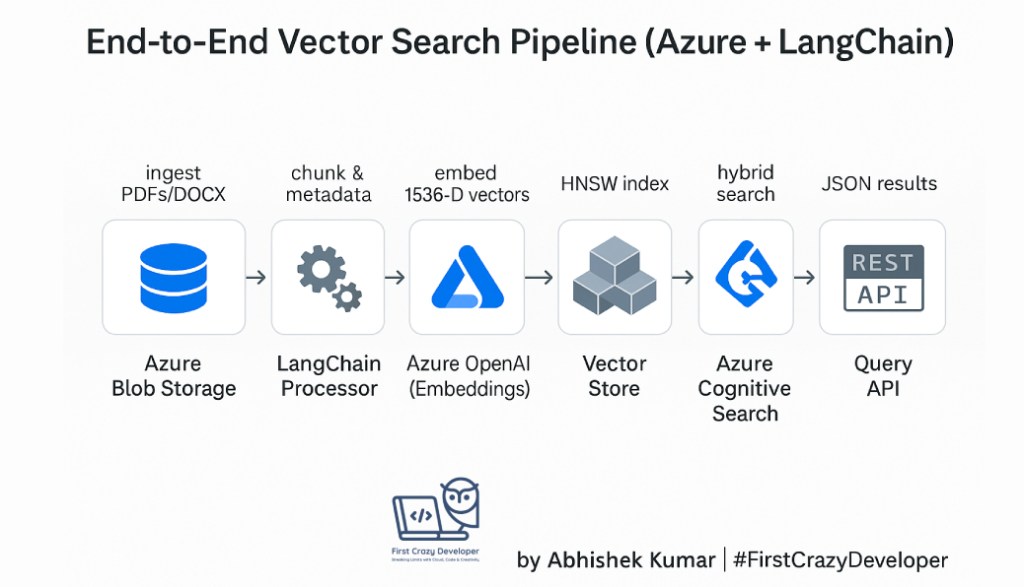
✍️ 𝐁𝐲 𝐀𝐛𝐡𝐢𝐬𝐡𝐞𝐤 𝐊𝐮𝐦𝐚𝐫 | #FirstCrazyDeveloper 💡 Why This Matters More Than Ever Traditional keyword search engines match exact text terms but often fail to capture semantic meaning. For example, searching for “legal agreement termination” should also surface results mentioning “contract cancellation”, even if the exact words differ. This is where Vector Search shines. By…
-
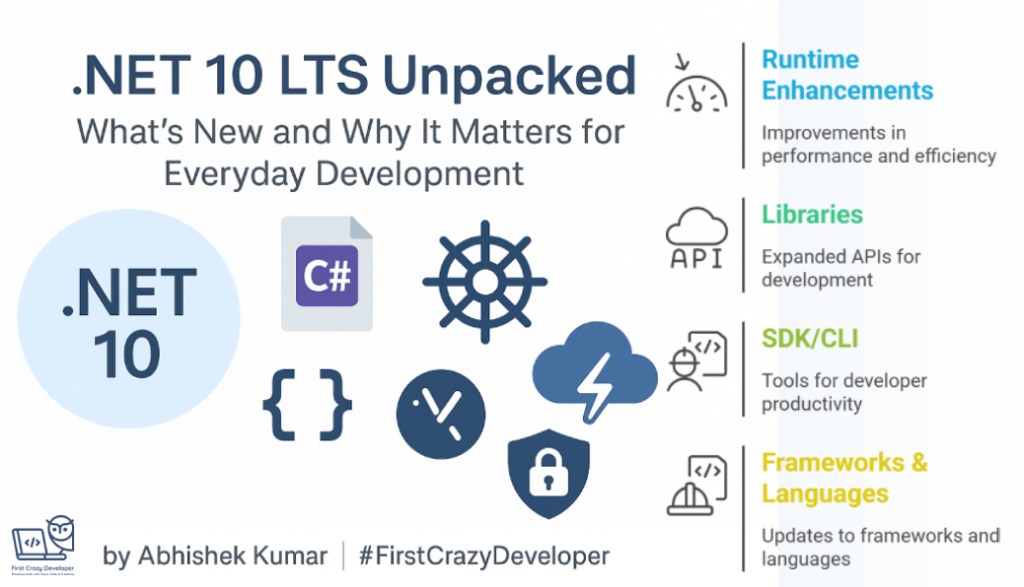
✍️ By Abhishek Kumar | #FirstCrazyDeveloper Why .NET 10 Matters .NET 10 is a Long-Term Support (LTS) release, meaning it will receive support (patches, security updates) for three years. Microsoft Learn Because of that, many teams will adopt it as a baseline for stability, performance, and new features. It’s the successor to .NET 9. Microsoft…
-
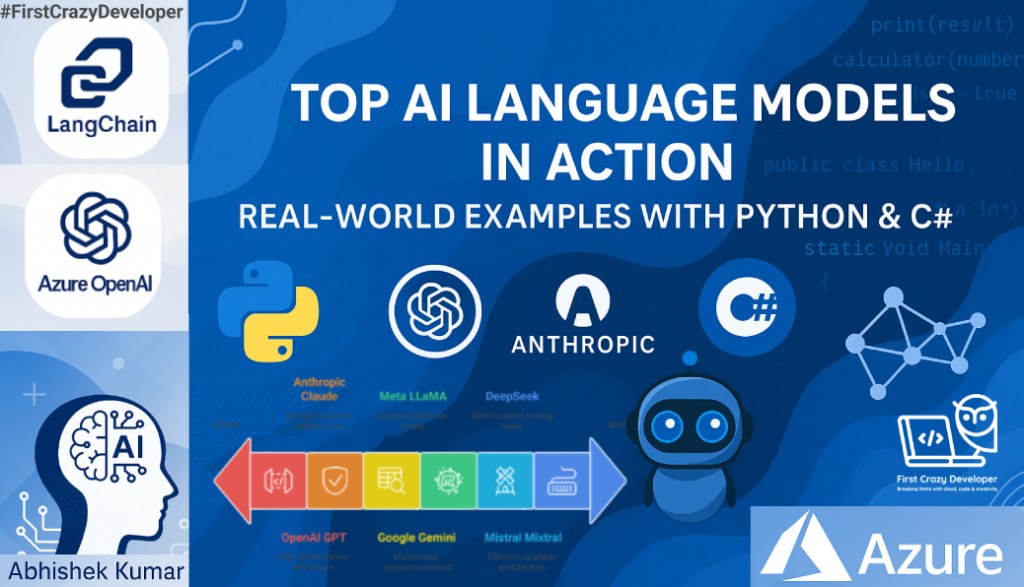
✍️ By Abhishek Kumar | #FirstCrazyDeveloper Artificial Intelligence has rapidly evolved over the last decade, and Large Language Models (LLMs) have become the core drivers of this revolution. From OpenAI’s GPT family to Meta’s LLaMA, Anthropic’s Claude, Google’s Gemini, and more — each ecosystem brings unique capabilities tailored for developers, researchers, and enterprises. In this…
-
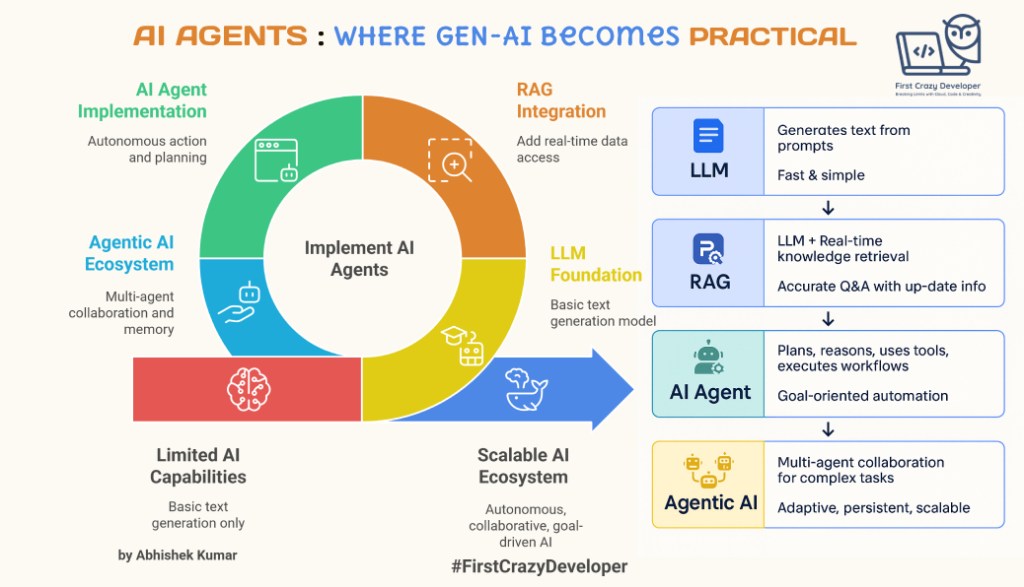
✍️ by Abhishek Kumar | #FirstCrazyDeveloper “LLMs talk. RAGs talk smarter. AI Agents act. Agentic AI collaborates.” Generative AI is no longer just about writing poems or drafting emails. It’s evolving into intelligent systems that plan, reason, take actions, and even collaborate to solve real-world problems. This blog is your step-by-step guide to understanding the…
-
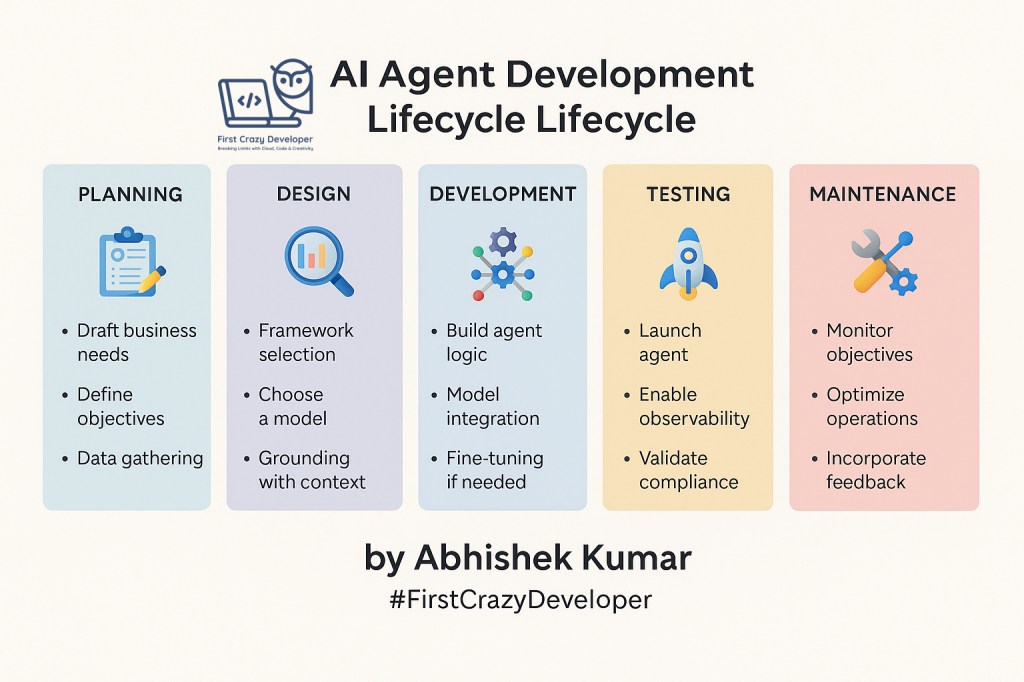
by Abhishek Kumar | FirstCrazyDeveloper Building an AI Agent is not just about coding a model—it’s about creating an intelligent system that is purposeful, ethical, and continuously improving. To achieve this, the development process must follow a structured path that blends business strategy, technical design, testing rigor, and user-centered feedback loops. Let’s break down the six…
-
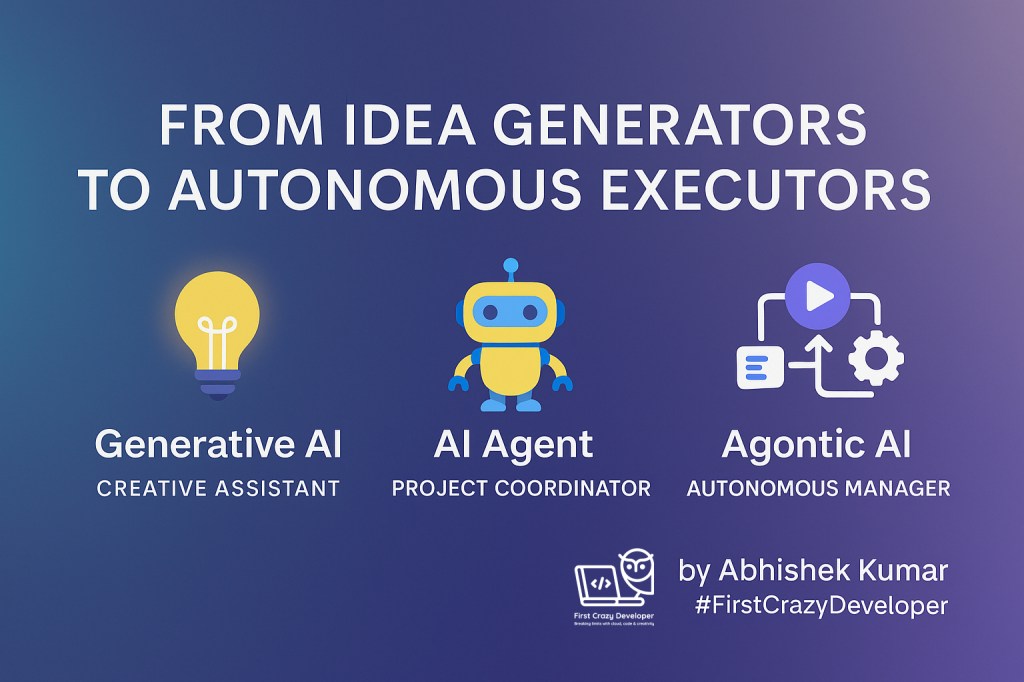
by Abhishek Kumar | FirstCrazyDeveloper AI isn’t a one-size-fits-all solution. Different types of AI systems operate at different levels of intelligence and autonomy. Some are great at sparking creativity, some act as diligent project coordinators, and some go even further — managing the entire workflow on their own. Let’s break it down with a familiar scenario:…
-
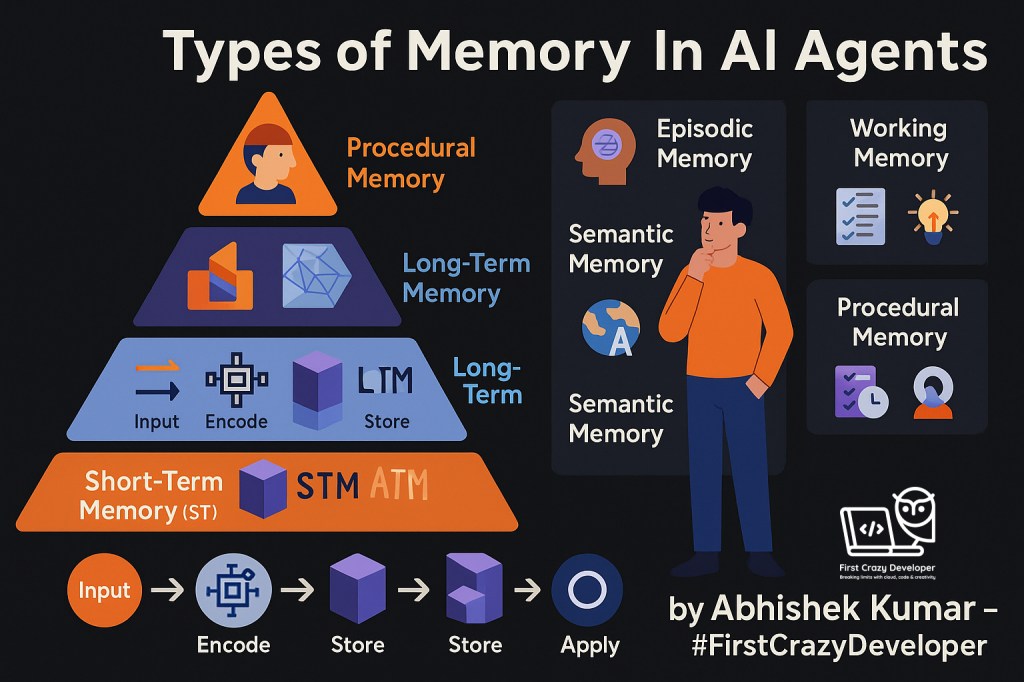
by Abhishek Kumar | FirstCrazyDeveloper In the rapidly evolving world of Artificial Intelligence, memory plays a crucial role in making AI agents more human-like, context-aware, and efficient. Just like humans, AI systems rely on different types of memory to process, store, and recall information. Each memory type serves a unique purpose, enabling AI to perform anything…
-
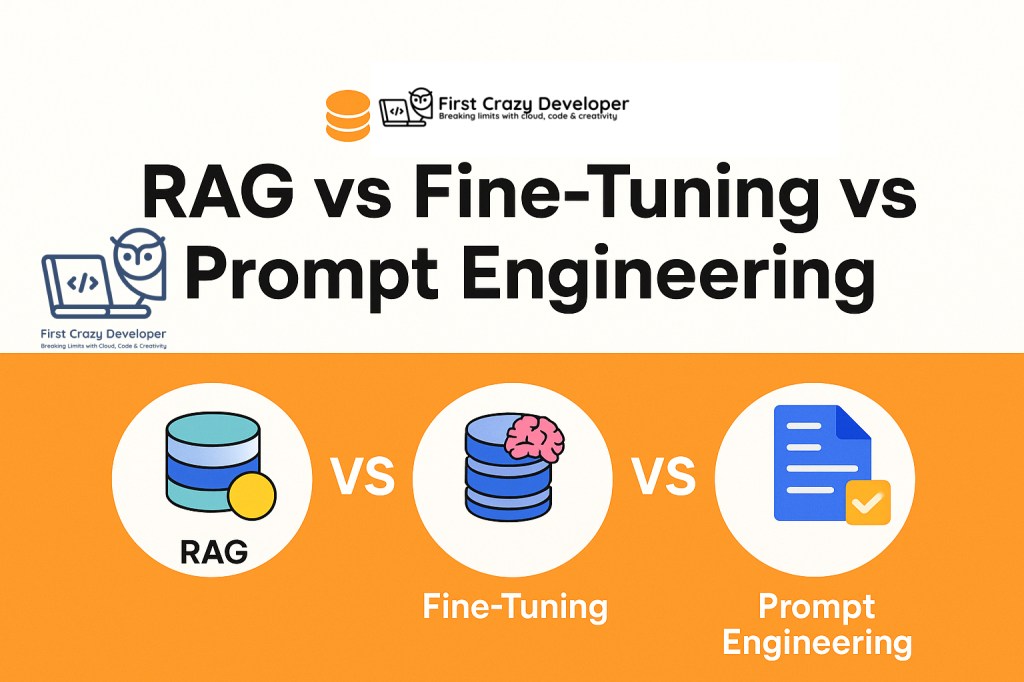
by Abhishek Kumar | FirstCrazyDeveloper Artificial Intelligence has become a core enabler for solving real-world challenges, but the way we adapt AI models to meet our needs can vary greatly. Three of the most common strategies today are RAG (Retrieval-Augmented Generation), Fine-Tuning, and Prompt Engineering. Each approach offers unique benefits and trade-offs depending on the use…
 First Crazy Developer